Newsletter Subscribe
Enter your email address below and subscribe to our newsletter

Enter your email address below and subscribe to our newsletter
All voices matter
 Bysonu
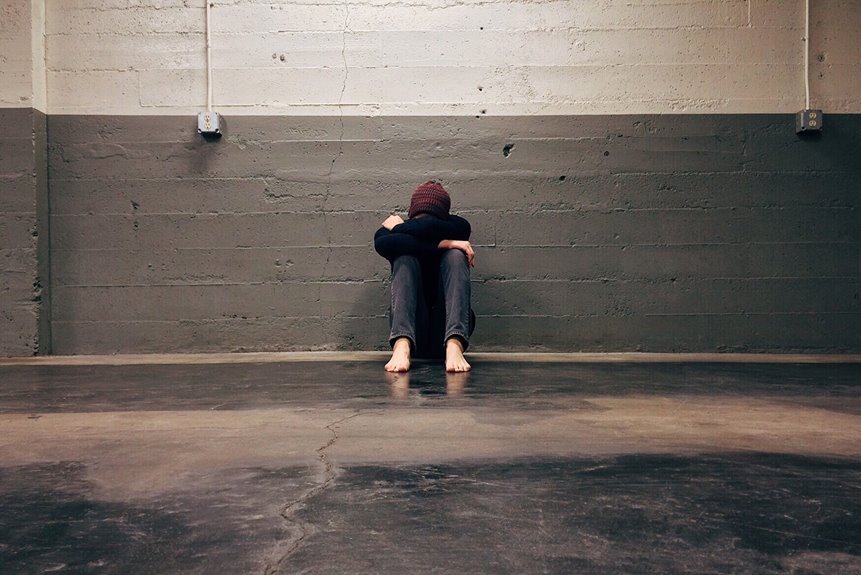
Poverty shapes daily grit in quiet, incremental ways. The most struggled person negotiates basic rights with dwindling resources, while discrimination, health risks, and isolation tighten their grip. Systems meant to help often obscure or punish, turning aid into a maze. Yet small acts of endurance accumulate into a stubborn resilience, a signal that needs louder, smarter support. What if scalable, dignity-centered solutions could redraw the margins—and who would lead that shift?
Poverty tests daily resilience by forcing individuals to improvise solutions in real time, turning ordinary moments into calculations of risk, cost, and endurance.
Across continents, small acts become strategic moves: mending, sharing, delaying, negotiating.
This constant recalibration reveals a universal truth about poverty resilience: adaptive thinking under constraint, resourceful courage under pressure, shaping daily endurance into a quiet, persistent demand for freedom through necessity.
Yet beyond money, the burdens of poverty extend into discrimination, health, and isolation, shaping every interaction, treatment, and choice.
In crowded corridors and quiet clinics, isolation stigma compounds vulnerability, denying dignity and agency.
Access to healthcare remains inconsistent, forcing perilous tradeoffs between illness and livelihood.
A global diagnosis; collective urgency to ensure healthcare access and equitable treatment for all.
How do systems constrain possibility for the vulnerable? They codify exclusion, reproducing poverty narratives and locking opportunity behind opaque rules. Institutions, markets, and norms amplify inequities, producing fragile supports and punitive barriers. Global gaps persist where funding, data, and accountability fail, revealing systemic gaps that stunt potential. The result is silence around struggle, not because progress is absent, but because access is blocked.
From the vulnerabilities exposed by systems that restrict opportunity, practical pathways emerge for meaningful support and accountability.
Solidarity materializes through rising stigma awareness, community fundraising networks, and transparent advocacy.
Watch for advocates championing universal basic income and robust mental health parity, ensuring services meet real need.
Global action translates into scalable programs, accountable leadership, and dignity-driven assistance that respects individual freedom and collective dignity.
Who defines “most struggled,” and on what basis? Various bodies, researchers, and communities attempt measurement, using indicators like poverty, health, education, and vulnerability. The basis for measurement varies, revealing subjective priorities, biases, and evolving definitions across countries and cultures.
Is resilience shaped by culture, or do perception biases distort it? Cultural resilience varies, influencing coping narratives and social support. Perception bias colors judgments, making some strengths invisible while elevating others, yet global freedom seeks equitable recognition for all—every struggle matters.
Unseen routines quietly fortify resilience, daily sustenance inferred from small acts: careful budgeting, communal support, deliberate rest, and adaptive problem-solving. They reveal how vulnerable populations sustain agency, amid global inequities, through discipline, solidarity, and hopeful, practical persistence.
Aid can reduce stigma but not alter root causes alone; recovery narratives and community resilience illuminate systemic gaps, fostering dignity and action while resisting superficial fixes that overlook cycles of deprivation impacting vulnerable populations worldwide.
Readers should amplify marginalized voices by elevating authentic storytellers, resisting tokenism, and sharing platforms; juxtaposition reveals gaps between rhetoric and action, prompting collective healing while challenging power dynamics across communities worldwide, fueling freedom-centered, responsible listening.
In the quiet margins where poverty presses hardest, resilience becomes both shield and peril. The daily arithmetic of scarcity—the missed meals, the crowded clinics, the muted protests—unfolds with a stubborn, unseen gravity. Yet beyond the numbers, a chorus rises: advocates, neighbors, and policy pilots who demand dignity, not pity. The question remains urgent and unsettled, the path ahead unclear. If solidarity sharpens its edge, the next act might finally turn risk into rights and isolation into inclusion.