Newsletter Subscribe
Enter your email address below and subscribe to our newsletter

Enter your email address below and subscribe to our newsletter
All voices matter
 Bysonu
Minecraft Playbattlesquare poses a compact test of tact and timing. Its arenas emphasize control zones, crisp decision windows, and a roomful of power-ups that reward discipline over brute luck. The design nudges players toward efficient communication and deliberate resource use, all within a community-driven framework. Yet the system’s tension hides unanswered questions about balance and onboarding. The next move might redefine how the square feels to those who remain curious.
Minecraft Playbattle Squares refers to a competitive, arena-based variant within the game that emphasizes split-second decision-making, precise movement, and strategic mapping of limited resources.
What is Playbattlesquare? It distills tension into rapid cycles, where players read arena dynamics and leverage power ups.
How it works highlights tactical timing, while strategy depth reveals layered choices amid freedom-driven play.
By examining core mechanics and the accompanying meta-learning, players can dissect the essential rhythms that drive Playbattlesquare’s competition: resource discipline, timing windows, and tactical map control.
This analysis highlights core mechanics, meta learning, teammates dynamics, and map control as critical levers.
It remains critical yet liberating: disciplined experimentation, adaptive communication, and decisive choices shape autonomous, strategic performance beyond mere reaction.
Building smarter arena design hinges on aligning spatial rhythm with power-up ecosystems, ensuring that every corner, corridor, and checkpoint serves a purposeful strategic function rather than mere spectacle. The discussion analyzes arena balance and map pacing, critiquing how layouts constrain or empower decision-making.
Power-ups must reinforce flow, not clutter, while tactics emerge from deliberate geometry, balanced risk, and meaningful signposts.
Getting Started and Leveling Up: Tips, Communities, and Resources offers a practical lens on joining and growing within Minecraft Playbattlesquare.
The guide analyzes onboarding, skill progression, and community norms with a critical eye, emphasizing self-directed learning and resilient participation.
It highlights competitive etiquette, map rotation awareness, and resource avenues, while avoiding fluff to empower players seeking freedom through informed, deliberate engagement.
Common pitfalls include underestimating map awareness, neglecting resource management, and panicking during fights. Beginner strategies favor steady pacing, learning spawn timings, and prioritizing survival over aggressive skirmishes; discipline over impulse yields consistent progress and safer exploration.
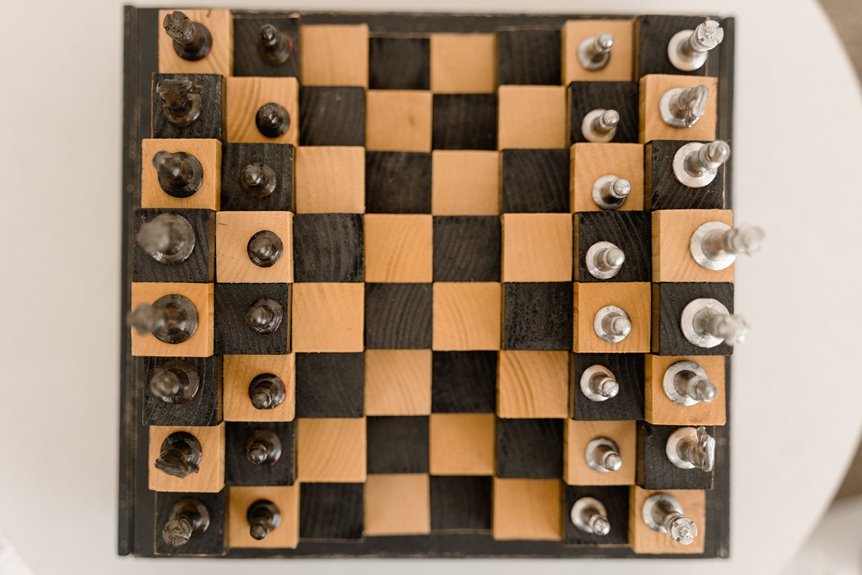
Balance tuning smooths asymmetries; spawn optimization places teams with minimal distance and sightlines, reducing bias. It reads as a chessboard of options, where careful calculations shepherd fairness, yet freedom-loving players crave surprises within disciplined structure.
Spectator influence operates within defined boundaries, limiting real-time coaching to non-interactive commentary. Coaching dynamics shift from direct instruction to post-match analysis, fostering reflective improvement while preserving pace and integrity for an audience that values freedom.
Hidden easter eggs exist, but their visibility is inconsistent; arena rewards may entice exploration yet remain speculative. The scene invites scrutiny: speculative glitches surface occasionally, revealing secret spawnpoints, though reliability varies, and players crave transparent, verifiable discoveries over folklore.
Servers offline become quiet harbors, and event resets redraw the map’s weather. Spawn balancing wavers, spectator coaching tries to steady sails, while disruptions reveal how players improvise, adapt, and insist on freedom even when systems suspend their rhythm.
In this concise portrait, Minecraft Playbattle Squares emerges as a disciplined duel where timing eclipses brute speed. The most telling stat is cycle latency: top players consistently close matches within 2–3 seconds, a testament to precise resource management and signaling. Such tight windows compress decisions, rewarding preparation over improvisation. The arena’s geometry and power-up cadence foster an iterative, feedback-rich loop—encouraging iterative refinement, deliberate communication, and resilient onboarding that elevates gameplay beyond mere reflexes.